



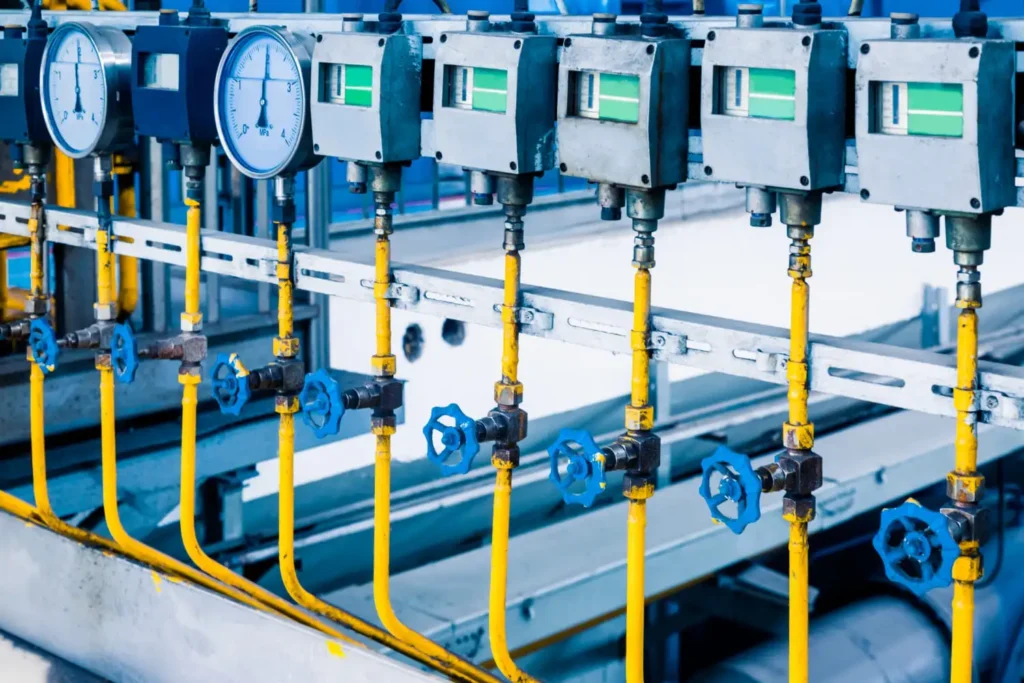
Did you know! Nearly 30 percent of energy loss in compressed air systems happens because of poor piping choices. That means even the best air compressor can waste money every day if the compressed air pipe is wrong.
If you are setting up a new system or upgrading an existing one, choosing the right pipe for compressed air is just as important as choosing the compressor itself. The right piping improves airflow, reduces pressure drop, saves energy, and keeps your operations running smoothly.
So let us understand this in a simple and practical way.
Why Your Compressed Air Pipe Matters More Than You Think
Compressed air pipe systems are the backbone of your entire setup. They carry air from the compressor to every tool, machine, and workstation.
When the pipe is not right, you may face issues like pressure loss, moisture buildup, corrosion, leaks, and higher energy bills. Over time, these problems affect productivity and increase maintenance costs.
That is why selecting the right compressed air pipe is not just a technical decision. It is a business decision.
Common Types of Pipe for Compressed Air Systems
Let us look at the most commonly used materials and where each one works best.
-
Steel Pipes
Steel has been used for decades in compressed air pipe systems.
It is strong and handles high pressure well. However, steel pipes can rust from the inside. Over time, rust flakes can damage tools and reduce air quality. Installation is also time-consuming and heavy.
Steel works well in older systems but is slowly being replaced by better modern options.
-
Galvanized Steel Pipes
These are steel pipes coated with zinc to resist corrosion.
They last longer than regular steel but still have drawbacks. The zinc coating can wear off and clog downstream equipment. Installation is rigid and not flexible for future changes.
-
Copper Pipes
Copper is corrosion resistant and provides clean airflow.
It is commonly used in smaller compressed air pipe systems or clean environments like food and beverage facilities. The downside is cost. Copper is expensive and not ideal for large industrial setups.
-
Aluminum Pipes
Aluminum has become one of the most popular choices today.
It is lightweight, corrosion resistant, and easy to install. Aluminum compressed air pipe systems offer smooth internal surfaces which reduce pressure drop and improve efficiency.
They are also modular, which makes future expansion simple. This makes aluminum an excellent long term solution for many industries.
-
Plastic Pipes
Plastic pipes like PVC are sometimes used but should be handled with caution.
Standard PVC is not recommended for compressed air because it can shatter under pressure. Some engineered plastic pipes are designed specifically for compressed air systems and can be safe if properly rated.
Always confirm pressure ratings and safety standards before choosing plastic.
How to Choose the Right Compressed Air Pipe?
Choosing the right pipe depends on several factors. Let us keep this simple.
Air Pressure and Flow Requirements
Your pipe for compressed air must handle the pressure your system operates at. High-pressure systems need stronger materials.
Airflow also matters. If the pipe diameter is too small, pressure drop increases and tools receive less air.
This is where compressed air pipe sizing becomes critical.
Environment and Industry
The environment plays a big role. Is your facility humid, dusty, or temperature sensitive?
Food and beverage industries need clean air and corrosion resistant materials. Manufacturing environments need durability and flexibility.
Aluminum and copper often perform best in demanding environments.
Installation and Expansion
Rigid systems like steel are difficult to modify. Modular aluminum compressed air pipe systems allow easy changes without shutting down operations.
Understanding Compressed Air Pipe Sizing
Compressed air pipe sizing determines how efficiently air moves through your system.
If pipes are too small, pressure drops increase, and energy costs rise. If pipes are too large, installation costs go up unnecessarily.
Proper sizing balances performance and cost.
A compressed air pipe sizing chart helps match pipe diameter with airflow requirements and system pressure. It ensures consistent air delivery across your facility.
Professional assessment is always recommended because real-world layouts include bends, drops, and distances that affect sizing.
Why Compressed Air Pipe Labels Are Important
Compressed air pipe labels may seem like a small detail, but they play a big role in safety and maintenance.
Labels help teams quickly identify compressed air lines during repairs or emergencies. They reduce confusion and prevent accidental shutdowns or wrong connections.
In facilities with multiple utilities, clear compressed air pipe labels improve efficiency and meet safety standards.
Signs Your Current Compressed Air Pipe Needs an Upgrade
Not sure if your system is working efficiently? Watch for these signs.
- Frequent pressure drops at the tools
- Higher energy bills without increased usage
- Rust or moisture in air lines
- Leaks that keep coming back
- Difficulty expanding your system
If you notice any of these, your compressed air pipe system may be holding you back.
Why Professional Guidance Makes a Difference
Compressed air systems are not one size fits all.
Layout, distance, airflow demand, and future expansion all affect the best choice of pipe. Working with experienced professionals ensures correct compressed air pipe sizing, proper material selection, and long-term reliability.
This reduces downtime, saves energy, and improves overall system performance.
Trusted Compressed Air Solutions in Toronto, Canada
If you are looking for reliable compressed air solutions in Canada, Air CompPower is a trusted name in Toronto and across the region.
With over 15 years of experience, Air CompPower is an authorized distributor of Atlas Copco industrial air compressors, air dryers, vacuum pumps, blowers, and industrial products in Canada.
They support industries like manufacturing, food and beverage, and automotive with energy efficient solutions designed to maximize productivity.
As one of the leading industrial air compressor manufacturers and air compressor suppliers, Air CompPower offers air compressors for sale along with expert air compressor service and repair.
Their team specializes in tailored air compressor maintenance solutions that minimize downtime and extend equipment life.
From compressed air pipe systems to full system optimization, Air CompPower delivers dependable service backed by innovation and sustainability.
If you are planning a new system or upgrading an existing one in Toronto or anywhere in Canada, connect with the experts at aircomppower.com and get solutions that work in the long term.
Frequently Asked Questions
What is the best pipe for compressed air systems?
Aluminum pipes are widely considered the best due to corrosion resistance, easy installation, and long-term efficiency.
Why is compressed air pipe sizing important?
Proper sizing reduces pressure drop, improves airflow, and lowers energy costs across the system.
Can plastic pipes be used for compressed air?
Only plastic pipes specifically rated for compressed air should be used. Standard PVC is not recommended.
How often should compressed air pipe systems be inspected?
It is best to inspect annually or whenever pressure loss or leaks are noticed.
Do compressed air pipe labels really matter?
Yes. They improve safety, simplify maintenance, and help teams quickly identify air lines.